Catering Trucks and Secret Plane Swaps: Trump Security Decoded
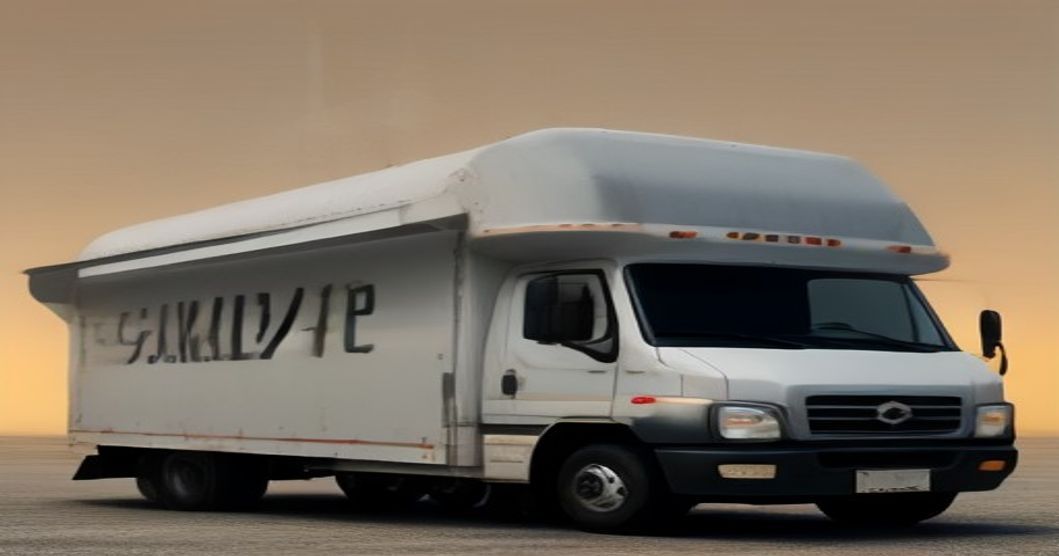
You ever read a headline so wild you have to read it twice? “Trump hidden in catering truck in secret plane swap over Iran threat, reports say.” That was me at 7 a.m. with half a bagel in my mouth. A catering truck? Like the ones that deliver soggy sandwiches to airport lounges? Apparently, yes. And honestly? It’s the most interesting thing I’ve read about executive protection in years.
Let’s back up a little. According to US media reports, President Trump was moved from the old Air Force One plane to a military aircraft as he left a NATO summit in Turkey last month. The alleged reason: intelligence suggested a possible Iran-backed assassination threat. Was he literally rolled through the tarmac in a catering truck? The reports say something close to that. Is it true? No idea. But if it is, it’s a masterclass in security tradecraft.
I’m not here to get into politics. I’m here to talk about what actually happened, why the catering truck detail is genius, and how you can steal a little bit of that “presidential-level paranoia” for your own life without becoming a hermit.
What Actually Happened? Let’s Break It Down
Here’s what we know from the reports: as Trump prepared to leave the NATO summit, his movement didn’t happen the way it usually does. Instead of the classic wave-and-board moment on the tarmac in front of cameras, the president allegedly slipped into a catering truck, was driven to a different part of the airfield, and quietly boarded a military plane. Meanwhile, the old Air Force One — the iconic 747 with the blue-and-white livery — apparently became a decoy.
If you’ve ever watched a single action movie, this is the moment where the bad guys are watching the wrong jet and our hero is already in the sky drinking airplane coffee from a paper cup.
Why? Because an assassination threat isn’t just “we heard something vague.” It’s a series of indicators that make the security detail think, “You know what, today is a good day to be unpredictable.”
Why a Catering Truck and Not an Armored Limo?
This is the part everyone laughs at, but it’s actually the most elegant move in the whole operation.
Think about it. A presidential motorcade is loud. It’s a parade of black SUVs, police motorcycles, and people with earpieces screaming into their wrists. If someone wants to attack a high-value target, they don’t need to guess which car the target is in — they just need to hit the most obvious one. But a catering truck? There are like forty of those around every airport. Nobody looks twice at the guy in the white uniform rolling a cart of suspiciously high-quality sandwiches. It’s the ultimate camouflage: being boring.
The same logic applies to the plane swap. Air Force One is a symbol. It’s also a gigantic “I am here” sign. If a threat actor has a missile, a drone, or a well-placed sniper, they already know where to look. Swapping to a less identifiable military plane makes you a needle in a haystack of gray, beige, and olive drab aviation.
The trick isn’t fancy technology. It’s “don’t let them know the plan until it’s already done.”
3 Security Lessons You Can Actually Use (Even If No One Is Planning to Take You Out)
Okay, you are probably not worried about Iranian retaliation. I’m not either. But the logic behind this “catering truck maneuver” applies to way more than geopolitical threats. It works for online harassment, creepy exes, nosy neighbors, and even just protecting your personal data.
Lesson 1: Routines Are Your Enemy
The Secret Service absolutely hates predictable patterns. A target who leaves at the same time, takes the same route, and eats lunch at the same window seat is a target who is easy to hit.
You don’t need to be a celebrity to make your routine an issue. Let me give you a real scenario:
You’re a freelancer. You like working at the same coffee shop every morning because the barista knows your order and they don’t judge you for ordering a fourth refill. You sit in the same corner. You plug in your laptop. You connect to the same public Wi-Fi. You literally type your client’s confidential financial data into that Wi-Fi network.
Now, is anyone going to shoot you? Probably not. But someone watching that shop — and more specifically, watching you leave your laptop unlocked when you go to the bathroom — can easily steal enough client data to ruin your business. You have created a pattern. Your “catering truck” is just varying your seat, using your own phone hotspot, and updating your software once in a while.
Lesson 2: Decoys Are Great for Boundaries
The secret plane swap is just a decoy on a massive scale. You can use the same idea in real life, especially when someone is trying to control your time or attention.
Scenario: You’re a founder of a small startup. You’ve got a noisy competitor who keeps trying to “grab a coffee” and pick your brain. You don’t want to be rude, but you also don’t want to hand over your strategy notes. Instead of another awkward rejection, you get a little unpredictable: you tell them you’re heads-down on a “client project” all week (that’s your decoy plane), and then you quietly go to the coworking space across town where nobody knows you. You still get your work done. They get a polite, non-confrontational no. And you avoid the uncomfortable meeting.
Or, for your personal life: if you’re dealing with an online stalker or a weird ex, stop posting your location in real time. Posting a selfie from the airport before you board? That’s like putting a neon sign on your decoy plane. Save the posts for after you land. Meanwhile, let a trusted friend know your actual itinerary. That friend is your “reliable military plane” — the one that actually matters.
Lesson 3: Always Have a “Go Bag” and a Plan B
The reason the catering truck swap worked is because the security team didn’t decide to do it in the moment. They had a contingency plan already written down. They knew exactly which catering truck, which driver, which route, which plane, and which backup backup plane they would use if the first backup plane got a flat tire.
You can do a mini version of this at home. I’m not saying you need a bug-out bag with a water filter and a tactical flashlight (though honestly, that’s more useful than you think). But you should have a “what if” plan for the things you care about:
- What if your laptop dies during a client presentation? Have a backup copy of your slides on your phone and a portable charger in your bag.
- What if your bank blocks your card on a business trip? Carry a second card or some emergency cash in a separate pocket.
- What if your safe neighborhood has a weird incident and you need to leave late at night? Know the alternate exit, the nearest 24-hour place, and have a quick phone list of people you can call.
The goal isn’t to live in fear. It’s to make your life easier when something unexpected happens. That’s what all the body armor and catering trucks are really about: making the unexpected look like just another Tuesday.
Build Your Own Mini Security Plan in 5 Steps
If you want to take this even further, here’s a practical checklist. It’s not presidential-level, but it’s better than what 95% of people do.
Step 1: Accept That “It Won’t Happen to Me” Is a Plan, Not a Good One
The first step to security is admitting you don’t have it all figured out. Threat doesn’t always look like a spy movie. It looks like a fraud alert on your card, a hacked Instagram account, or a shady guy who followed you home for three blocks. Do a quick mental scan of your actual life: What could you not afford to lose? Your phone? Your camera? Your client list? Your health records? Write those down.
Step 2: Prepare Your Own “Diversions”
A diversion can be as simple as not using your real name as your Wi-Fi SSID. Or as clever as keeping an old wallet with an expired credit card in your bag to hand over if you’re ever mugged. It’s not about being dishonest; it’s about protecting what matters. Same principle.
Step 3: Set Up a Communication Code
Pick a code word with your partner, roommate, or a trusted co-worker. It means “I need out of this conversation right now and I don’t want to explain myself.” For example, “Hey, can you remind me what time the vet appointment is?” can be a perfectly polite signal to call you with a fake emergency. This is a decoy that works for introverts and boundary-setters everywhere.
Step 4: Lock Down Your Digital Trail
This is where the geeky side kicks in. The presidential security team probably used encrypted comms and didn’t post their location to the entire world. You should at least:
- Turn off location tagging on your social media posts.
- Use a password manager (bitwarden.com is free and more secure than your brain).
- Use a VPN when you’re on public Wi-Fi. If you want a good explanation of why your identity is leaking, check out the EFF’s Surveillance Self-Defense guide at ssd.eff.org.
And if you are an activist, journalist, or someone with a target on your back for your work, the hosting provider used by this very blog is not going to save you, so please seek proper security training. The EFF guide is a great start.
Step 5: Do a Fire Drill for Adults
Once a year, pick a random Saturday and do something slightly out of your normal routine. Take a different route to the grocery store. Leave your phone at home for an hour. Send a “code word” text to your partner and see if they respond appropriately. This builds the muscle memory so that when a real emergency does happen, you don’t freeze. You just move. Like a person shifting from a catering truck to a secret plane.
The Bigger Picture: This Story Is Bigger Than One Person
Whether or not this particular story is completely accurate, I love it because it reveals how security actually works. It’s not about being the biggest, loudest, and most armored thing in the room. It’s about being the least interesting target. It’s about the ability to vanish, even for a moment, in a truck that no one wants to search because it smells like expired mayonnaise.
The “old Air Force One” stayed sitting on the tarmac, presumably blinking its lights, while the important person was somewhere else. That’s not a sign of weakness. That’s a sign of competence. It means somebody on that security team understands the greatest privilege in the world: knowing when to be invisible.
And the rest of us can learn from that. We don’t need to be paranoid. We just need to be prepared enough that, when the unexpected comes, our first thought is “Okay, what’s my plan?” instead of “Wait, what’s happening?”
FAQ
Q: Was Trump actually in serious danger?
A: According to recent US media reports, there was a threat assessment related to Iran that prompted the security changes. No official confirmation has been made public, and we should treat this as “reports say” rather than confirmed fact. But security teams generally don’t swap planes and use catering trucks for fun. Something made them move.
Q: Why a catering truck? Why not an armored SUV?
A: Because an armored SUV with tinted windows and multiple escort vehicles is the most recognizable thing on the road. A catering truck is mundane. It blends in with dozens of other airport service vehicles. The goal was to get the president out of the public eye, not to show off the armor.
Q: Is secretly swapping the presidential plane a normal thing?
A: It’s not exactly normal procedure that gets announced on a schedule, but decoy vehicles and unmarked movements are standard close-protection tactics. The “secret plane swap” is notable because it involved a president and because it leaked to the press. On a tradecraft level, it’s not unheard of at all.
Q: Can normal people use any of these tactics?
A: Absolutely. The basic ideas — unpredictability, decoys, and operational security — apply to everyone. You don’t need a Secret Service budget to stop sharing your live location, vary your routine, or have a code word with your family. The “catering truck” is just a mindset. Stay boring when you need to, stay ready when you can, and keep the important stuff off the radar.
At the end of the day, this story is a reminder that the world is less stable than we like to pretend. But it’s also a reminder that smart preparation can make chaos look boring. And sometimes, boring is the best thing you can be.
एजेंडा
Catering Trucks and Secret Plane Swaps: Trump Security Decoded
Related Posts


Comments (0)
No comments yet. Be the first to comment!
Leave a Comment